Homes do not stop working all at once. They whisper initially, a hairline fracture below, a sticky door there, a pale moldy smell when the weather transforms damp. After twenty years walking crawl spaces, mapping slab splits, and watching laser levels level regarding drooping floors, I have learned that the framework always gives reasonable warning. The technique is recognizing which signs matter, and when a quick spot stops being a repair and begins becoming expensive procrastination.
If you are keying structure fixing near me since something feels off, take note. The 5 indications below are reputable, area examined, and workable. I will likewise share how to divide regular settling from genuine trouble, what services a reliable company may propose, and exactly how basement waterproofing or crawl area encapsulation matches the picture.
Cracks that talk back
Hairline cracks are not a dilemma on their own. Concrete diminishes as it remedies, and stonework modifications with temperature level. A pencil thin vertical crack that has stagnated in years can be viewed and left alone. The cracks that get my focus have one or more of these traits: they widen gradually, they run in a pattern that shows stress and anxiety, and they bring water with them.
Stair action fractures along mortar joints in brick or block frequently note differential negotiation, one component of the structure dropping about one more. Horizontal splits in a basement wall, specifically mid elevation, indicate side dirt pressure and bowing. Diagonal cracks that start at window edges and expand towards the top or bottom suggest racking forces. If a structure fracture is vast sufficient to slip a quarter right into, about 1/8 inch, or if it has expanded measurably in a few months, request for a foundation inspection.
Track movement, not simply appearance. I prefer split monitors or easy tell tales made from a bit of two part epoxy marked with a pencil line. Reconsider monthly. If the mark changes or breaks, you have energetic motion. I have seen a split double from 1/16 inch to 1/8 inch across a solitary damp springtime when seamless gutters fell short and downspouts disposed water at the footings. Fast change underlines immediate risk.
Water transforms cracks right into highways. Efflorescence, that white powder flower on basement wall surfaces, means dampness is wicking through masonry. Rusty nail directly an ended up wall surface, blistered paint, or a dark hairline in block tells the exact same story. In these cases, structure fixings and basement waterproofing are commonly partners, not rivals. Securing only the surface area without dealing with movement or hydrostatic stress resembles putting a plaster on a leaking pipe.
Doors and windows that refuse to behave
Every wood door swells a little during damp spells. That seasonal swell ought to be gentle and foreseeable. The red flag is determination and pattern. When the exact same bed room door sticks each month, when you aircraft it and it goes back to rubbing the jamb in a period, the door is not the issue. The frame is moving.
Foundations telegraph motion into the structure as racking. You see that as diagonal gaps at window corners, daylight along a latch side, or an out of square disclose. I carry a simple torpedo level and a 6 foot level therefore. Floors that tilt, even by a fifty percent inch throughout an area, twist door frames sufficient to capture equipment. House owners often tell me they replaced a door piece, only to discover the lock still misaligns by 3/16 inch. The hinge screws were attacking right into a changing jamb, not a steady stud.
Look at drywall, too. An angled split from a window edge or the top edge of a door that expands under normal living conditions indicate frame distortion. If the exact same corner opens again after yearly caulking and paint, the cycle of activity is still live. Home window sashes that bind on just one side, or double put up windows that wander down after being raised, are refined hints that the opening has changed from rectangle-shaped to rhomboid.
Floors that slope, bounce, or telegraph floor tile cracks
Human equilibrium is sensitive. Most people notice an incline of concerning 1 inch over 20 feet when they set a marble down and see it stray. If a corridor throws a round toward one wall every time, or if your dining chairs roll unwelcome, inspect the subfloor with a laser or a clear water level tube. I map low and high areas with painters tape prior to opening a crawl room hatch. 9 breaks of 10, those dips match a beam that has actually lost assistance, a girder that has actually scratched too deeply over a pier, or a rotted sill plate.
Tile levels differently. Long angled cracks that disregard cement lines and cut across numerous tiles mirror substrate movement, normally from a dispersing floor system. Timber joists rated L over 360 for deflection still move enough to print via weak surfaces if the structure creeps. I when mapped a duplicating floor tile fracture pattern directly to a sinking interior pier, down 3/8 inch over 2 years because a slow-moving plumbing leak softened clay underneath it. Repair the pier with helical stacks or a rebuilt ground, the cracks quit expanding. Disregard the reason, and brand-new tile will certainly split https://edgarymie277.wpsuo.com/residential-foundation-repair-101-3-essentials-before-contacting-pros the same way.
In a piece on grade home, search for crinkling baseboards, spaces below cupboards, and a mismatch at shifts where piece segments relocate separately. Slab fractures that rise on one side, a journey lip of even 1/16 inch, can mark dirt heave or shrink-swell clay biking with moisture. A correct structure repair work strategy focuses on stopping activity first, then releveling coatings as needed.
Moisture where it does not belong
Water hardly ever appears nicely. It sneaks through capillarity with hairline masonry pores, condenses on amazing surface areas, and experiences damp air right into dark cavities. A musty odor in a basement or crawl area is not just a comfort problem, it is a structural risk. Timber above 16 percent moisture material welcomes fungi, and mold and mildew growth creates off gassing that penetrates living locations. Wet dirt beside a footing, week after week, invites settlement.
In cellars, watch for consistent wet areas at the cove joint, the joint where wall surface meets slab. A sump pump that cycles regularly after tiny storms signals climbing groundwater. If you see water rings on cardboard boxes saved near a wall, or corrosion lines on built in metal shelving feet, the wall is weeping. Yes, indoor water drainage and vapor obstacles develop part of cellar waterproofing, however they are not a full response if exterior grading pushes countless gallons of roofing system drainage against the foundation.
Crawl rooms amplify small errors. An open planet floor invites moisture, pests, and radon. In warm months, moist exterior air entering a cool crawl area condenses on air ducts and joists. Gradually, joists mug, subfloors ripple, and the very first ended up floor over establishes soft places. Creep space encapsulation alters the environment completely. When you encapsulate crawl room areas with a continuous 12 to 20 mil vapor obstacle, seal seams and piers, include rigid insulation on the wall surfaces, and problem the air with a dehumidifier or supply air faucet, timber dries to safe degrees. I have actually gauged a drop from 19 percent to 12 percent wood wetness in twelve weeks after an appropriate encapsulation.
If you see standing water after tornados, fungus blooms on joists, or corrosion on HVAC boots in the crawl, take it seriously. Combine encapsulation with structure repair services when supports have already changed. I have actually seen home owners tackle vapor barriers first, just to find a girder still sagging since a block pier tilted on softened soil. Maintain, after that encapsulate, and your investment lasts.
Separation and spaces that do not close
Walk the outside. Where the chimney fulfills home siding, exists a wedge designed void big enough to slide a finger into on top, limited at the bottom? That is a classic indicator of the smokeshaft ground settling at a various rate. Smokeshafts are hefty, deeply loaded, and commonly sit on independent footings that were never ever linked to the main structure. Left alone, the space expands, blocks split in a stair action, and flue liners shift. I have actually installed helical piers to recuperate 1 inch of settlement on a masonry chimney, after that stitched mortar and included stainless straps. It is far more affordable to capture it at a quarter inch.
Inside, check out where kitchen counters satisfy the wall surface. Caulk lines that tear open repeatedly, or walls that lift far from drywall and leave a shadow, inform you the structure is relocating. On the outside, spaces in between fascia and brick, or a trim board pulling away near the garage door, send the same message. The side situation right here is seasonal activity in lengthy periods of trim, which can be normal. But when the opening repeats in the very same area and expands year over year, think the foundation is speaking.
Sill plates and edge joists are a special issue in older homes. A carport conversion or area addition could have presented blended footing depths or a missing sill gasket. Termites like wet sill plates, and eaten wood sheds bearing, which creates a refined line of splitting up under home siding. Probe with an awl. If wood collapses, you require both a pest treatment and an architectural repair work plan, not just brand-new trim.
What presses a foundation out of line
Soil and water do a lot of the damage, however the dish differs with region and website. Expansive clays swell when damp and reduce hard when dry, pumping a structure backwards and forwards throughout periods. Sandier soils drain well yet can rinse around footings if a downspout pours 5 hundred gallons in a storm at the same corner. Infilled whole lots often hide buried debris pits that compress under the weight of a piece. Trees draw dampness from soils with unusual reach, frequently 1 to 1.5 times their cover distance, which can dry out a clay pocket under part of a ground and create differential settlement.
Plumbing leaks are the sluggish assassins. A pinhole under a slab can leakage a gallon an hour, softening dirts and developing gaps. I request for a fixed test on old cast iron lines when piece motion is localized to a restroom or kitchen wing. Watering overspray versus a structure, particularly on plastic exterior siding where water sneaks behind, keeps soils wet also in dry periods. A falling short gutter seam above an edge can dump hundreds of gallons onto the very same three feet of soil throughout a summertime downpour. Foundation fixings near me browses grab in late springtime for a reason.
A fast self check before you call
Use this brief, once around the house checklist to mount the conversation with a pro.
- Measure the widest fracture you can locate, keep in mind growth with a dated image, and mark it quietly with a pencil. Focus on anything at or beyond 1/8 inch or that leaks throughout rain. Close each indoor door delicately and note which ones rub the lock or pivot side. If greater than one in the very same location misbehaves, suspect racking. Place a round marble on a tough flooring in three rooms. If it rolls constantly toward the same wall surface, illustration the incline instructions on a flooring plan. In the basement or crawl, look for efflorescence, standing water, wood wetness over 16 percent if you have a meter, or corrosion at steel supports. Outside, view along the foundation, expect bulges or bows, and inspect voids at the chimney, trim, and garage door corners.
How a trusted specialist will certainly believe, and what they might propose
An excellent foundation fixing service provider begins by paying attention and measuring, not selling. Anticipate elevations taken with a laser or water level to map floor variance. Photos of fractures and edges should be part of the documents. Moisture analyses, a pipes test if necessitated, and a stroll around the site to examine drain will certainly round out the diagnosis. If the check out ends with a single sentence prescription without data, keep buying structure repair services near me until you discover someone who documents what they see.
For negotiation, underpinning with steel push piers or helical piers is common. Press piers use the structure's weight to drive steel sections to fill birthing strata, then lift and maintain. Helical piers twist into the soil with helical plates, like a large screw, and review torque that associates with ability. Both can be installed year round, usually with marginal excavation at each pier location. I have actually lifted resolved edges by 3/4 inch the same day piers entered, then watched splits close to hairlines.
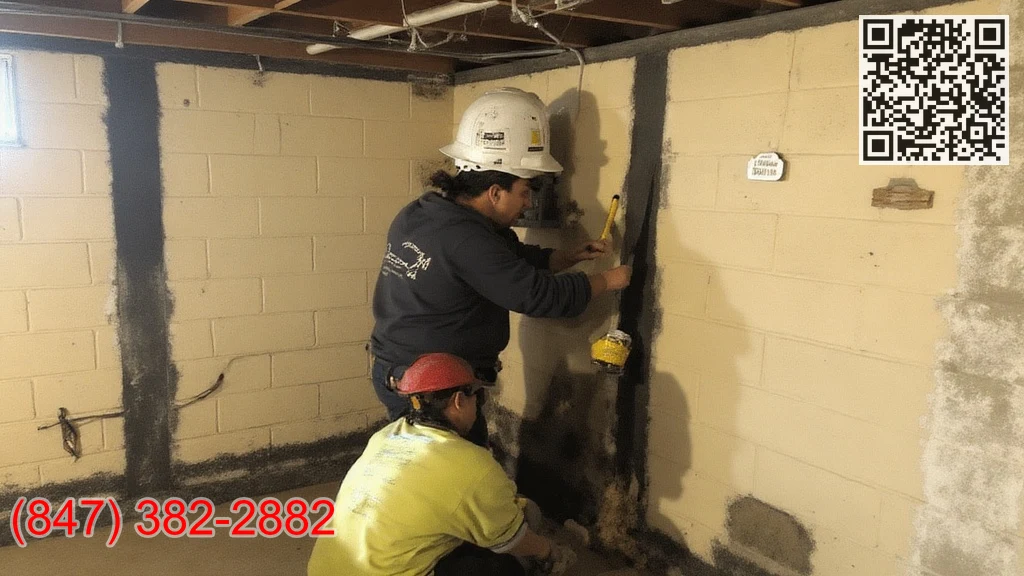
For bowing basement walls, carbon fiber bands or steel I light beams withstand further motion, while outside grading and water drainage job eliminate stress. Carbon fiber stands out when cracks are little and bowing less than around 2 inches. Heavier deflection might call for supports, beam of lights, or partial wall surface restores. For pieces that have cleared up in separated areas, polyurethane foam shot or typical mudjacking can relevel surfaces, worth taking into consideration for garage slabs or stoops. I do not foam infuse under structural footings unless crafted for it, since piering is more predictable for hefty loads.
Expect cost ranges, not repaired pledges without context. A solitary pier could face the low thousands, and a whole side of a residence with six to eight piers can get to well into 5 figures, depending upon gain access to, deepness, and framework. Carbon fiber reinforcement usually lands in the reduced to mid 4 numbers per wall, and a complete basement waterproofing system with indoor drainpipe, sump, and vapor obstacle can differ widely by dimension. Crawl room encapsulation typically ranges from a couple of thousand dollars for a small, easy area to the mid teens when including drain, insulation, and dehumidification. Obtain a composed extent with illustrations, lots calculations if appropriate, and a transferable service warranty that spells out what is covered.
Why basement waterproofing and encapsulation belong in the very same conversation
Movement and moisture feed each various other. Raise a settled footing without subjugating roofing system overflow and you run the risk of a repeat. Seal up a cellar with indoor drains and sump, but leave dirts saturated versus the wall, and side pressure continues to press. A coherent strategy links foundation repair with water management.
Start exterior. Extend downspouts at the very least 6 to 10 feet with buried, sloped lines if possible. Reconstruct negative quality to make sure that dirt slopes from the foundation a minimum of 6 inches over the very first 10 feet. In clay regions, add a slim layer of topsoil for growings, not thick compost that holds water versus the wall surface. If a driveway side collects water close to your home, cut a trench drainpipe and route it away.
Inside, a cellar that cries via the cove joint reacts well to an interior drain network to a sump, paired with a vapor barrier on the walls to block moisture and direct it down. I choose a secured cover sump with a top quality pump, a second on a different circuit, and a battery backup that can go through a multi hour failure. Maintain discharge lines pitched and freeze protected. In crawl rooms, encapsulate crawlspace locations totally, not simply a sheet on the floor with loose seams. Tape and mechanically attach seams up piers, secure the rim joist, and add moisture control. If you must vent a crawl per code, consider mechanical conditioning alongside.
A fast note for visitors who have stumbled upon the expression enveloped crawl.space and questioned if it is a trick. It is simply another method to describe a sealed, conditioned crawl area. The details are what issue. A 6 mil poly sheet tossed on the dust is not encapsulation. A constant, thick lining, sealed to wall surfaces, with drainage where needed and managed air, changes the room and shields your structure.
Timing, permits, and the insurance policy concern nobody loves
If a fracture is proactively expanding, if a door instantly binds after a peaceful spell, or if you capture water pushing in where it has not in the past, relocate promptly. Underpinning and stablizing do not obtain less costly with time. Many jurisdictions do not need full authorizations for like for like drainage or minor indoor job, yet many do need licenses for architectural fixings, particularly outside excavation, piering, or beam reinforcement. Ask your contractor to handle permitting and provide examination records. I maintain copies of whatever, consisting of prior to and after altitude maps, in both paper and digital kind for customers. It pays off throughout resale.
Homeowners insurance policy seldom spends for structure repair work unless a protected danger like a plumbing ruptured or car effect caused the damages. Slow-moving settlement, hydrostatic stress, and wear are normally left out. That said, if a sudden pipeline leakage threatened a slab, I have effectively helped clients file for relevant cosmetic repairs while they moneyed the architectural job separately. It is a discussion worth having, with practical expectations.
Choosing the appropriate companion when you browse foundation repair work near me
Credentials help, yet recommendations and site details thinking issue a lot more. Ask for local tasks of similar age and dirt, not simply a glossy pamphlet. You want a supervisor that can talk dirts, tons, and water in the same breath. Take notice of just how they manage the unknowns. A sincere quote includes backups for concealed footings, buried utilities, or poor fill. Reduced proposals that hand wave complexity usually come back with change orders.
You will certainly additionally see different philosophies. Some business press maximum pier counts to go after excellent level. Others target stablizing with discerning lifting. In a forty year old home, I aim for no further movement and a sensible visual recovery, rather than compeling a complete lift that could create security breaking. There is art in the judgment, and the best staffs describe their why.
Simple behaviors that maintain a good repair work good
The finest structure repair work coupled with sensible water administration sets you up for decades. Maintain it by doing this with a few seasonal habits.
- Clean rain gutters twice a year, validate downspouts discharge at the very least 6 feet from the foundation, and repair service seams before the next storm. Walk the border every spring, include dirt where animals or disintegration produced low areas, and keep a mild incline away from the house. Open the crawl space or basement twice a year, check for brand-new smells, pump function, moisture listed below 55 percent, and completely dry liners or walls. Watch your first repair work period very closely. Take dated photos of key fractures and sticky doors each quarter, after that kick back if they remain stable. Maintain trees. Trim and water intelligently, and speak with an arborist prior to getting rid of a huge tree near to the house, considering that dirt rebound can move loads.
Homes relocate a little, that is regular. However when the 5 indicators above start vocal singing in carolers, it is time to act. The best mix of structure repair service, tuned drain, and either cellar waterproofing or a well considered strategy to encapsulate crawl room locations will steady the framework and make the home healthier. If you are searching for structures repair work near me or structure repairs near me, use what you have found out here to ask sharper concerns and expect more clear answers. That confidence, plus a specialist who values both framework and water, is the difference between chasing cracks and resolving the problem.
 Ask ChatGPT
 Ask Grok
 Ask Perplexity
 Ask Claude
 Ask Google AI
 Ask You